Counseling for First Responders
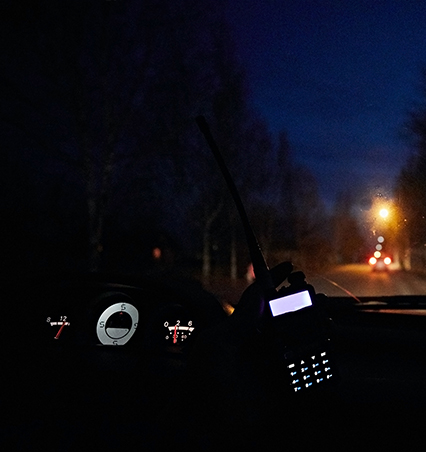
Sometimes the calls start following you home.
As a first responder, you’ve handled calls that most people can’t even imagine, including car accidents, cardiac arrests, structure fires, violence, and loss of life.
You’ve learned to move quickly, think clearly, and focus on the job in front of you. When the tones drop, there isn’t time to slow down and process what you’re walking into.
So you do what the job requires – handle the call, clear the scene, and move on to the next one – often before your nervous system has a chance to return to baseline.
Going from call to call creates a cycle that keeps your nervous system activated, and it doesn’t shut down, even when you are at home, on vacation, doing things you enjoy. Over time, this activation starts to affect your work performance, home life, and emotional stability.
First responders need a different type of therapy.
It needs to feel different than traditional therapy.
Many responders hesitate to reach out because they don’t want to spend half the session explaining the job or worrying that someone will misunderstand what they’ve experienced.
My goal is to create a space where that concern isn’t there.
Because of my background as a U.S. Army veteran, Fire Captain, and paramedic, many responders tell me they feel relieved knowing they don’t have to explain the job’s culture. They can talk about what they’ve been carrying.
Here’s what our work together looks like.
When you sit down for a session, the goal isn’t to analyze every detail of your life. It’s to create a space where you can talk honestly about the experiences that have been weighing on you.
Sometimes that means processing difficult calls or incidents that still carry emotional weight. Other times, we focus on helping your nervous system recover from the constant “on-alert” state that often develops in high-stress professions.
As the work progresses, many people begin to notice meaningful changes – sleep improves, stress reactions become less intense, and the memories that once replayed constantly start to lose their grip.
Many responders also rediscover a sense of steadiness, helping them reconnect with the work they once took pride in.

Our work progresses through three phases.
Establishing a therapeutic relationship is essential for our work together. Did you know that the strength of the therapeutic relationship directly affects treatment success? The trust and feeling of safety established between the client and therapist happen in the first phase of counseling. During this phase, we discuss how various types of therapy can help, depending on your specific needs.
Then, I will implement evidence-based trauma therapies such as Narrative Exposure Therapy (NET) or EMDR Therapy to help address the issues you bring to therapy. We will integrate regular check-ins to ensure we are working at a safe, manageable pace that meets your needs.
Finally, we will reach a phase where you can build resiliency, enabling you to recover after stressful experiences. Post-traumatic growth is moving forward and learning how to thrive instead of just surviving.
Don’t carry the burdens alone.
If experiences from the job are starting to affect your life or how you feel about your work, support is available. Therapy can help you process what you’ve been through and regain a sense of balance and clarity.
As a result, you can finish your shift and decompress, sleep through the night instead of replaying the day’s calls, and feel more patient with the people at home and more focused on your way back to the rig or station.
The experiences you’ve had will always be part of your story, but they don’t have to control how you feel every day.
If you’re ready to take the next step, I invite you to reach out and schedule a free 15-minute consultation to see if we are a good fit.
Take the first step to feeling like yourself again.
You don't have to keep carrying these experiences and feelings alone. Therapy can help you process what you've experienced, regain balance, and move forward with greater clarity and resilience. Contact me today for a free consultation. It's a no-pressure conversation where I'll answer any questions and learn more about what's weighing on you. Together, we can find a path forward.
Schedule Your Free 15-Minute Consultation